The Essential Guide to E-Waste Recycling: Why It's Critical and How to Start Today
E-waste recycling is an essential yet often overlooked aspect of modern sustainability. With technology evolving rapidly, millions of tons of electronic waste accumulate each year, posing significant environmental risks. Understanding the nuances of e-waste disposal can empower individuals to make informed choices. This guide not only outlines effective recycling practices but also explores the broader implications for the environment and economy. The path to accountable e-waste management starts with several key actions.
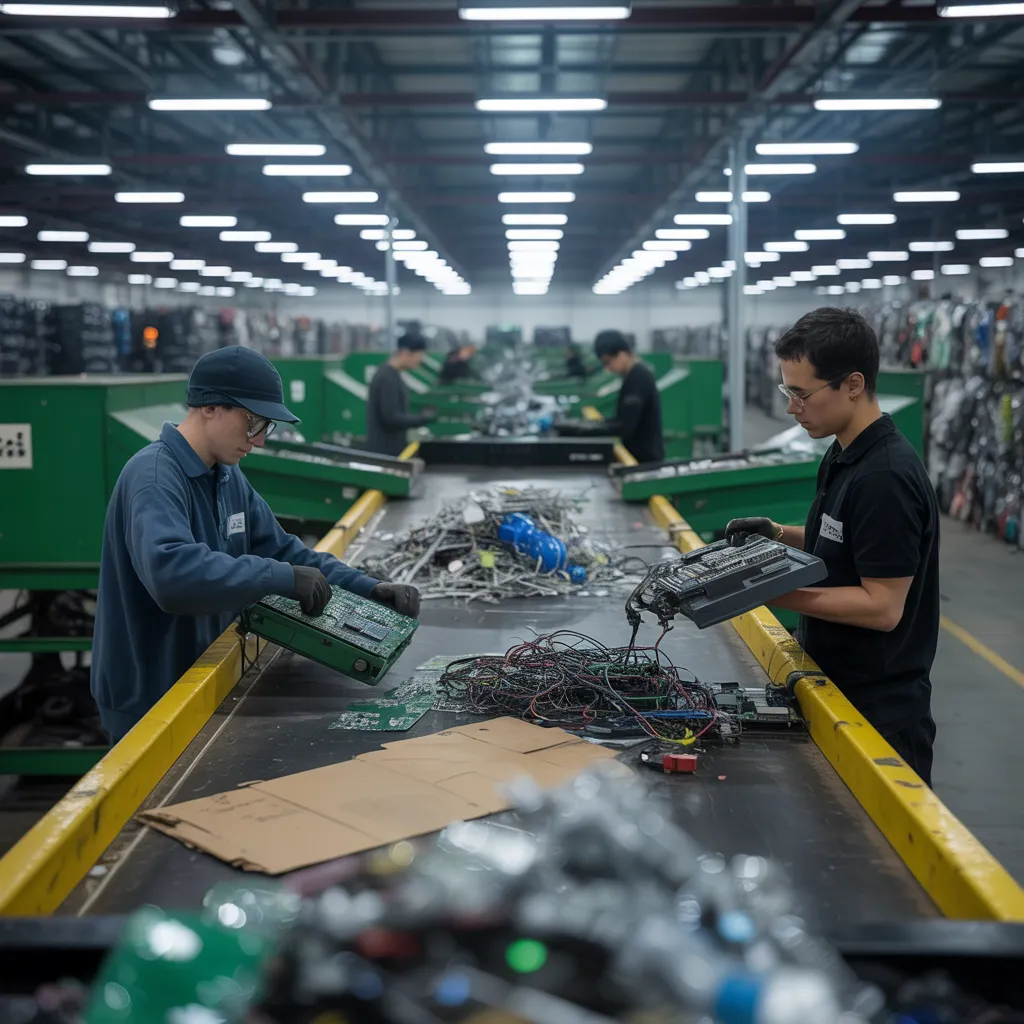
Everything You Should Know About E-Waste
E-waste, or electronic waste, refers to discarded electrical and electronic devices, and recognizing its significance is crucial in today's technology-driven world. Technological progress has led to a substantial rise in the production of e-waste, with vast quantities measured in millions of tons created every year. This discarded material commonly includes toxic components like lead, mercury, and cadmium, posing serious environmental and health risks if not managed properly.
Furthermore, important materials like rare earth metals, gold, and copper are embedded in these electronic devices, which can be reclaimed through recycling methods. Nevertheless, a large percentage of electronic waste ends up in landfills, worsening environmental pollution and resource loss. Educating people about proper disposal methods and the need for recycling can help resolve these challenges, fostering a more sustainable approach to technology use. Grasping the concept of e-waste is vital to promoting conscientious behaviors and supporting effective recycling initiatives within society.
Your Beginning Steps to E-Waste Recycling
Making the effort to recycle e-waste has a profound effect on environmental health and individual responsibility. To start, individuals should assess their unused or broken electronics, organizing devices such as smartphones, laptops, and printers. This process aids in gauging the amount of e-waste that requires attention. Additionally, looking into local recycling initiatives is essential. A variety of communities host specific drop-off sites or organized collection events for e-waste.
People should also educate themselves about the items that qualify and do not qualify for recycling, as guidelines vary by location. Once they have identified suitable programs, carefully securing the items for transportation ensures their safety and reduces the risk of damage. Lastly, one should follow up on the disposal procedure, confirming that the e-waste is handled by certified recyclers. By taking these initial steps, people help build a greener tomorrow as they dispose of their electronic devices in a responsible manner.
The Ecological Effects of E-Waste Recycling
Though commonly disregarded, the environmental significance of recycling e-waste is deep and wide-reaching. Proper e-waste recycling works to prevent hazardous materials, such as lead, mercury, and cadmium, from contaminating soil and water sources. These toxic substances can lead to serious health hazards for both humans and wildlife. By embracing recycling practices, important resources like gold, silver, and copper are extracted, lowering the necessity for mining and reducing the total carbon footprint linked to resource extraction.
In addition, responsible e-waste recycling decreases landfill usage, where deteriorating electronic devices emit toxic substances. It strengthens a circular economy by championing sustainable approaches, encouraging manufacturers to design products with recyclability in mind. In addition, recycling can reduce greenhouse gas emissions by decreasing energy consumption compared to producing new materials. Ultimately, the environmental advantages of e-waste recycling emphasize its essential function in cultivating a healthier planet and securing responsible oversight of electronic resources.
Financial Advantages of E-Waste Recycling
Electronic waste recycling offers considerable economic benefits, especially in terms of job creation and resource recovery. Through the development of recycling centers, communities can generate employment opportunities while promoting sustainable practices. Additionally, recovering valuable materials from electronic waste decreases reliance on fresh raw material extraction, resulting in substantial financial savings.
Employment Generation Prospects
Processing e-waste not only tackles environmental issues but also acts as a driving force for employment growth. The e-waste management industry produces diverse work opportunities, extending from collection and organization to refurbishing and reprocessing electronic goods. As the need for eco-friendly methods increases, this industry is developing rapidly, calling for qualified professionals in technology, engineering, and supply chain management. Surrounding economies prosper as new positions are regularly established in regions experiencing significant unemployment, encouraging local growth. Moreover, companies engaged in electronic waste recycling are able to encourage creativity and new ventures, nurturing a sustainable economic model. By investing in e-waste initiatives, governments and organizations not only promote environmental sustainability but also enhance economic resilience through meaningful employment opportunities.
Resource Recovery Savings
The electronic waste recycling sector not only creates jobs but also offers considerable economic benefits by means of resource recovery savings. By reclaiming valuable materials such as gold, silver, and copper from discarded electronics, the recycling process decreases the reliance on virgin material extraction, which is frequently expensive and harmful to the environment. This process lowers production costs for manufacturers, which in turn leads to more affordable pricing for consumers. Additionally, the energy conservation benefits of recycling e-waste can be significant, lowering operational expenditures for businesses and boosting overall economic efficiency. As well, as worldwide demand for electronic products keeps growing, effective material recovery from e-waste grows ever more critical for maintaining supply chains and strengthening economic resilience. Therefore, e-waste recycling is a prudent investment for both the economy and the environment.
Where to Recycle Your Old Electronics
Unsure about where to recycle your obsolete electronic devices responsibly? A wide range of choices can be found for recycling used gadgets, providing both environmental benefits and the reclamation of useful resources. Community recycling hubs commonly welcome numerous types of electronic devices, such as laptops, mobile phones, and televisions. Numerous local governments additionally organize regular electronic waste collection drives, providing a convenient way for residents to recycle items safely.
Well-known retailers including Best Buy and Staples Begin here run take-back schemes, allowing customers to return old electronics when purchasing new ones. A number of manufacturers have established mail-in recycling initiatives, enabling consumers to send their outdated devices directly to designated facilities. Non-profit organizations may also accept donations of functioning electronics, increasing the longevity of these products while advancing local community efforts.
Debunking Myths About E-Waste Recycling
While many individuals assume that e-waste recycling is unproductive, the reality is that effectively run operations can significantly minimize environmental harm. A widespread myth is that e-waste winds up in landfills regardless of recycling efforts. In truth, credible recycling operations reclaim important components and safely dispose of hazardous components.
Another myth suggests that disposing of electronics through recycling is too difficult or pricey. However, a variety of community programs feature no-cost drop-off points, ensuring accessibility for all individuals. Several programs additionally feature convenient collection options.
Furthermore, many people believe that every piece of e-waste is recyclable, but not every item is recyclable due to specific materials involved. Being aware of local recycling guidelines is important.
Lastly, a common misconception is that e-waste recycling has no impact on job creation. In fact, the recycling industry produces thousands of livelihoods, benefiting the economy while advancing environmental sustainability. By correcting these misunderstandings, consumers can make informed choices about e-waste recycling.
Answers to Common Questions
Are Batteries Accepted With My E-Waste Recycling?
Batteries must not be disposed of alongside e-waste. They must be handled separately because of the hazardous materials they contain. Suitable disposal choices encompass designated recycling facilities or scheduled collection events tailored for batteries, promoting safe and environmentally responsible handling.
What Happens to My Data During Recycling?
When recycling devices, sensitive data on devices can be compromised without proper erasure. Trusted recycling centers employ advanced techniques to confirm thorough data removal, protecting sensitive data from potential recovery or misuse.
Is E-Waste Recycling Regulated by Law?
E-waste recycling is regulated by numerous rules and regulations that change depending on region and country. Such regulations are designed to promote safe disposal, protect the environment, and effectively manage hazardous materials during the recycling process.
Are There Fees for Recycling Electronics?
Many e-waste recycling locations may charge fees for processing certain items, with particular attention to specific types like televisions and computer monitors. Nevertheless, some locations provide free recycling, commonly financed through programs established by manufacturers or community initiatives advocating for responsible disposal.
How Do I Encourage E-Waste Recycling in My Local Community?
To support e-waste recycling in the community, organizations can host informational campaigns, partner with local businesses to host recycling events, and utilize social media to distribute educational material about environmental advantages and correct disposal techniques.